
Foundation Repair Company in DeSoto, TX Built for Blackland Prairie Clay
If your doors stick in August and latch fine again in May, your house isn't imagining things. DeSoto sits on Houston Black and Heiden clay, some of the most expansive soil in Texas. It shrinks hard during 100°F droughts and swells after spring storms, and every cycle pushes and pulls on your slab. That's what puts stair-step cracks in brick and opens gaps around window frames. De Soto Foundation Repair Experts finds out what's actually moving your home, explains it in plain language, and fixes the cause, not just the crack you can see.
We've worked on Southern Dallas County homes since 2020. That includes 1970s rebar slabs in Thorntree and Candle Meadow, post-tensioned slabs in The Hamptons and Eagle Point, and older pier-and-beam houses in Duncanville and Lancaster. Our crews also serve Glenn Heights, Ovilla, Cedar Hill and the surrounding area. Every evaluation comes with floor elevation readings, photos and a written report. You'll also get repair options and practical advice on watering and drainage so your foundation stays stable after the work is finished.
- ✓Serving DeSoto and Southern Dallas County since 2020
- ✓Bonded
- ✓Insured
- ✓Floor elevation readings with every evaluation
- ✓Photo documentation and a written report
- ✓Slab and pier-and-beam specialists
- ✓Watering and drainage guidance included
Request Your Free Estimate
No obligation. Fast, honest quotes.
Thank you — your request was sent!
A member of the De Soto Foundation Repair Experts team will reach out shortly. Need help now? Call (214) 751-7996.
Why DeSoto Homes Need Foundation Repair More Than Most
Foundation trouble in DeSoto isn't usually caused by bad luck or bad builders. It comes from the ground under the city, the weather above it and the way homes here were built. Once you understand all three, it's easier to tell a cosmetic crack from real structural movement.
Expansive Clay and Extreme Wet-Dry Swings
DeSoto sits on the Blackland Prairie, where Houston Black and Heiden series clays are packed with montmorillonite (smectite). That mineral soaks up water and swells, then shrinks as it dries. Soil reports here routinely show a Potential Vertical Rise of several inches. Rain doesn't help. The area gets 37–40 inches a year, but most of it falls in spring (May is the peak) and fall, with long dry stretches in between. During the 100°F+ runs of 2011, 2022 and 2023, the clay cracked open and pulled away from slab edges, and perimeter beams settled. When heavy spring storms came back, the soil swelled fast. That cycle produces the classic 'center lift,' where the slab's edges drop and the middle stays high. Big live oaks, pecans and cedar elms pull extra moisture from the soil in their spots, so settlement shows up in one area. Freezes like February 2021 burst pipes, and the leaks soaked the clay under slabs.
Housing Stock From the 1970s to Today
Most of DeSoto went up in the 1970s, '80s and '90s, and building continued into the 2000s. The typical home is a one- or two-story brick-veneer ranch or traditional on a slab-on-grade foundation. Homes from the 1960s to early '80s usually have conventionally reinforced rebar slabs. Most later homes use post-tensioned slabs, where steel cables are held under high tension. Cutting one of those cables during repair is dangerous, so drilling and excavation have to be planned around them. Older parts of Duncanville, Lancaster, Oak Cliff and Hutchins still have pier-and-beam homes with crawlspaces. Common problems there are rotted shims and sagging joists. Newer subdivisions in Glenn Heights, Red Oak and Ovilla sit on post-tensioned slabs that can settle where fill soil was placed.
Permits, Engineers and Disclosure Rules
Texas has no statewide license for foundation contractors, so the paperwork does a lot of the work of protecting you. DeSoto requires a building permit for structural foundation repair. Dallas, Cedar Hill, Duncanville, Lancaster, Arlington, Irving, Grand Prairie and Mansfield generally require a permit and a repair plan, and often a letter from a TBPELS-licensed structural engineer. Most DFW evaluations follow Foundation Performance Association and Texas Section ASCE guidance. Plumbing tests must be done by plumbers licensed by the Texas State Board of Plumbing Examiners, and every dig starts with a Texas811 utility locate. HOAs in Cedar Hill, Glenn Heights and Mansfield often set rules on yard restoration and work hours. At sale time, the TREC Seller's Disclosure requires you to reveal known foundation repairs, so good documentation helps.
Protecting the Biggest Investment in the Family
DeSoto has about 55,000–57,000 residents, and many have owned their homes for decades. They include retirees and established families who bought in the 1980s through 2000s. For many of these households, the house is their main source of wealth. That's why upfront pricing, clear documentation and repairs that hold up when you sell matter more here than a quick, cheap patch. Cedar Hill, Lancaster, Duncanville and Glenn Heights share that profile. Faster-growing Midlothian, Mansfield and Red Oak are home to younger families who often need help figuring out how builder warranties apply to settlement on fill soil.
Common Foundation Problems in DeSoto and Southern Dallas County
Most calls we get in DeSoto involve one of the problems below. Some are seasonal and cosmetic, and others need attention soon. Here's how to recognize each one, why it happens so often on our clay, and what a sensible fix usually looks like.
Perimeter Beam Settlement (Edge Drop) Serious
This happens when the outer edge of a slab foundation sinks lower than the interior. Clay shrinks and pulls away from the perimeter beam during drought, and the edge loses support. It's the most common type of foundation movement we see on brick-veneer homes in DeSoto.
Why it's common hereHouston Black clay can shrink several inches as it dries. During long 100°F stretches like 2022 and 2023, cracks open in the ground along the foundation, and the beam settles into the gap. Homes on corner lots, south- and west-facing walls and houses with little shade lose moisture fastest. After years of drought-and-rain cycles, the drop on one side adds up. That's why many 1980s homes are now showing it for the first time.
Signs you'll notice- Stair-step cracks in brick veneer
- Gaps where brick meets window and door frames
- Exterior doors that drag or won't latch
- Cracks at slab corners
- Gap between baseboards and the floor
- A visible gap between soil and the slab edge in summer
We see this all over Thorntree, Candle Meadow and Meadow Creek, where 1970s–80s rebar slabs have been through four decades of seasonal swings. It's especially common on the sunny sides of homes along the Belt Line Road and Hampton Road corridors.
Our fix: Pressed concrete piles or steel piers installed under the settled beam and driven to refusal. Then we lift and shim to restore elevation, and correct drainage to slow future movement.
Center Lift (Slab Heave) Serious
Center lift happens when the middle of a slab rises above its edges. Clay under the interior holds moisture or soaks up extra water, swells, and pushes the slab upward. Meanwhile the perimeter stays dry or drops, so the floor ends up with a dome shape.
Why it's common hereClay under the center of a slab is shaded and protected, so it stays wetter than the soil at the edges. Heavy May storms after a dry summer make the swelling worse. Leaks under the slab, including ones left over from the February 2021 freeze, can feed water straight into the clay. Since piers can't push a heaved center back down, the cause has to be confirmed before anyone quotes a fix.
Signs you'll notice- Interior doors sticking at the top
- Cracks in tile running through the middle of the house
- Diagonal drywall cracks at interior door corners
- Floors that feel humped in hallways
- Uneven gaps at the top of doors
- Unexplained high water bills
This is common in post-tensioned slabs in The Hamptons, Woodridge and Eagle Point, and in homes with older cast-iron drains. It often shows up after a wet spring that followed a summer drought.
Our fix: Confirm or rule out plumbing leaks with hydrostatic testing. Fix the moisture source, then level the perimeter up to the center when needed instead of trying to force the slab down.
Plumbing Leaks Under the Slab Serious
A broken supply or drain line under the concrete slowly soaks the clay. That can cause heave, settlement, or both in one area. It's hidden, hard to pin down, and often the real reason behind cracks that keep coming back.
Why it's common hereMany DeSoto homes from the 1970s and '80s still have original cast-iron or older drain lines under the slab. Constant soil movement stresses those joints. The February 2021 freeze broke pipes across the region, and some of those leaks were never fully found. Saturated montmorillonite clay swells sharply, so a slow drain leak can lift one room by an inch or more.
Signs you'll notice- Water bills higher than usual
- Damp or warm spots on the floor
- Slow drains or sewer odor
- Cracks concentrated around bathrooms or the kitchen
- Musty smells near the base of walls
- Floor movement in one area that keeps getting worse
This shows up most in older slab homes near DeSoto Town Center, in Red Bird and Southwest Dallas, and in Lancaster homes where cast-iron drains are past their service life.
Our fix: A licensed plumber runs a hydrostatic test, the leak is repaired, and then the foundation is re-evaluated once the soil stabilizes. Leveling usually comes after the leak is fixed, not before.
Pier-and-Beam Sagging and Rotted Shims Moderate
In a crawlspace home, the floor sits on wood beams, joists and shims resting on piers. Over time the shims rot or slip, joists sag, and the floors become bouncy, sloped or soft underfoot.
Why it's common hereThe pier-and-beam homes in Duncanville, Lancaster, Oak Cliff, Hutchins and Wilmer are decades old, and many have poor crawlspace ventilation. Humid summers and water pooling after spring storms keep the wood damp, which leads to rot and settling. Clay movement also tilts the interior piers. The result is floors that dip near bathrooms and kitchens.
Signs you'll notice- Bouncy or soft spots in floors
- Floors that slope toward one wall
- Interior doors that swing open or closed by themselves
- Musty crawlspace odor
- Visible gaps between trim and floor
- Cracked plaster or drywall upstairs
This is typical in pre-1960 homes in Kessler Park and Oak Cliff, in Historic Downtown Lancaster, and in older parts of Highland Park, Arlington and Irving, where much of the original construction is still in place.
Our fix: Re-shim with steel or treated material and replace rotted beams or sister the joists. Add interior piers where they're needed and improve crawlspace ventilation and moisture control.
Tree Root Moisture Draw Moderate
Large trees close to the house pull a lot of water out of the clay, which makes the soil shrink in one area. The foundation settles near the tree while the rest of the house stays put.
Why it's common hereNeighborhoods built in the '70s and '80s now have mature live oaks, pecans, cedar elms and hackberries. Many of those trees were planted within 10–15 feet of the house. During drought, one big tree can draw hundreds of gallons a day from the same clay that supports your beam. Summer watering restrictions from local water suppliers make it harder to make up for that loss.
Signs you'll notice- Cracks concentrated on one corner near a tree
- Brick separation on the tree side only
- Roots visible near the slab
- Soil pulling away from one section of the beam
- A door near the tree that sticks
- Cracked flatwork or patio near the tree
This is common in established DeSoto areas like Thorntree and Woodridge, around Kessler Park in Oak Cliff, and on wooded lots near the Joe Pool Lake area and Lake Ridge.
Our fix: Install a root barrier between the tree and the foundation, add piers to the settled section if needed, and set up a sensible, restriction-compliant watering plan.
Poor Drainage and Water Pooling Minor
Water that collects against the foundation saturates the clay unevenly, which drives heave in some places and softening in others. Common causes are flat grading, missing gutters and flowerbeds edged so they hold water against the beam.
Why it's common hereSpring hail and severe storms across DFW can dump inches of rain in a few hours. Many DeSoto lots have settled flat over the decades, and gutters often come down after hail. Raised flowerbeds and landscape borders trap runoff right against the slab. Sloped lots near the Cedar Hill escarpment have a different issue, because water runs toward the house and soil can slowly creep downhill.
Signs you'll notice- Standing water near the foundation after rain
- Soil washed away at downspouts
- Efflorescence or water stains on the slab edge
- Missing, clogged or hail-damaged gutters
- Flowerbeds sitting higher than the slab
- Mildew along exterior baseboards
This is common on flat lots in Meadow Creek and Candle Meadow, on hillside lots in Cedar Hill and Lake Ridge, and in newer Glenn Heights subdivisions like Bear Creek where final grading settled after construction.
Our fix: Regrade so water slopes away from the house, add downspout extensions, and install French or surface drains. We also reshape flowerbeds so water drains away from the beam.
Garage, Patio and Driveway Separation Minor
Garage slabs, patios and driveways are usually poured separately from the house slab. They can crack, sink or pull away at the joint, which leaves trip hazards and gaps that let water reach the foundation.
Why it's common hereFlatwork has no deep beams, so it reacts to every swing in the clay. Driveways drop at the edges in drought, and garage slabs crack where trucks park. Patios settle away from the house, then channel rainwater straight back toward the beam.
Signs you'll notice- Gap widening between garage slab and house
- Cracked or sunken driveway panels
- Patio tilting toward the house
- Garage door not sealing at the floor
- Cracks in the garage floor that keep getting wider
We see this across front-entry garages on DeSoto's 1980s–90s streets, and on newer Ovilla and Red Oak homes where driveways sit on compacted fill.
Our fix: Seal cracks, level the slab, or replace sections. If the garage beam itself has settled, we add targeted piers, and we seal the joint to keep water out.
Foundation Repair Services for DeSoto Homes and Businesses
We work on slab, pier-and-beam, block and poured-wall foundations, plus the concrete around them. Each service below is matched to the cause we find during your evaluation. We don't recommend piers when the real problem is a leak or a downspout, and we'll tell you if that's what we see.
Slab Foundation Repair, Foundation Raising & Concrete Foundation Leveling ⭐ Specialty
We stabilize and lift settled slab foundations, including house, garage and poured concrete foundations. The goal is to restore elevation as closely as the structure allows and stop further settlement at the perimeter.
Our approachDepending on soil and load, we use pressed concrete piles, steel piers driven to refusal, or drilled bell-bottom concrete piers. We take elevation readings before, during and after lifting, and the slab is shimmed and the excavation backfilled once it's level.
In DeSoto, TXPost-tensioned slabs in The Hamptons, Eagle Point and newer Glenn Heights subdivisions need careful cable avoidance, so we plan every access point around the tendons. Older rebar slabs in Thorntree let us use more conventional breakout methods.
Best for: Homes with stair-step brick cracks, sloping floors, sticking doors or perimeter drop confirmed by elevation readings. This applies to both 1970s rebar slabs and newer post-tensioned foundations.
Pier and Beam Foundation Repair, Crawl Space Repair & Stem Wall Repair ⭐ Specialty
We level and rebuild crawlspace foundations by replacing rotted shims, sistering or replacing damaged beams and joists, adding interior piers and repairing cracked or leaning stem walls.
Our approachWe do a full crawlspace inspection first, then shim with steel or treated material, add supplemental pier support, repair stem walls and address ventilation and moisture. On historic homes, we work around existing structure instead of tearing it out.
In DeSoto, TXThis is ideal for the older housing stock in Duncanville, Lancaster, Oak Cliff, Kessler Park, Hutchins and Highland Park. We respect Highland Park's work-hour and staging rules, and in Dallas historic districts we keep exterior changes to a minimum.
Best for: Bouncy or sloping floors, musty crawlspaces, doors that swing on their own, and pre-1970 homes with original wood framing.
Foundation Inspection
We do a full evaluation of your home's movement, covering interior and exterior signs, drainage, trees and plumbing indicators. You get a written report explaining what is moving and why.
Our approachWe take floor elevation readings across the slab or floor system and photo-document cracks, gaps and grading. Our approach follows Foundation Performance Association evaluation practices, and we'll recommend independent engineer or plumbing testing when it's warranted.
In DeSoto, TXThis is especially useful for DeSoto sellers facing TREC disclosure questions and for buyers reviewing an inspection report. It also helps homeowners comparing conflicting bids with different pier counts.
Best for: Anyone unsure whether a crack is seasonal or structural, plus homeowners preparing to buy or sell and anyone comparing quotes.
Foundation Drainage
We correct the water problems that drive clay movement by fixing grading, downspouts, flowerbeds and runoff paths, so the soil around your foundation stays at a more even moisture level.
Our approachOur work includes regrading, French drains, surface and channel drains, downspout extensions and buried outlets, and reshaping flowerbeds. Root barriers are added where trees are drawing moisture from under the beam.
In DeSoto, TXSpring hailstorms and May downpours overwhelm flat DeSoto lots, and sloped Cedar Hill and Lake Ridge lots send runoff toward the house. We follow HOA rules on restoring landscaping in Glenn Heights, Cedar Hill and Mansfield.
Best for: Standing water after storms, a history of recurring cracks, homes with heavy tree cover, and any home that has just had piers installed.
Foundation Crack Repair, Concrete Wall Crack Repair & Foundation Patching
We seal and repair cracks in slabs, poured walls and foundation surfaces, but only after we've confirmed whether the crack is cosmetic shrinkage or a sign of ongoing movement.
Our approachWe use epoxy injection for structural bonding, polyurethane injection for water-carrying cracks, and patching mortars for spalled or broken edges. We measure crack width and offset first, then decide on the right repair.
In DeSoto, TXHairline shrinkage cracks are normal in North Texas concrete. Corner cracks and cracks that widen each summer usually mean beam movement, and we treat those as a symptom.
Best for: Slab-edge corner cracks, cracked poured walls, chipped beam faces and cracks that let in water or pests.
Concrete Slab Repair, Slab Leveling & Concrete Floor Crack Repair
We repair and level interior and exterior concrete slabs, including cracked floors, uneven sections and sunken areas that create trip hazards or problems with flooring.
Our approachDepending on the cause, we use crack injection, surface repair, slab leveling or section replacement. For floors, we coordinate the timing with your flooring plans, since tile cracks will come back if the movement hasn't been fixed.
In DeSoto, TXCracked tile is one of the most common complaints in DeSoto homes from the 1980s and '90s. We figure out whether it's heave, settlement or a bad tile bed before anything is re-laid.
Best for: Cracked tile and concrete floors, uneven slab sections and pre-remodel slab prep.
Concrete Slab Leak Repair
We help track down and resolve leaks under the slab that are soaking the clay. Then we restore the foundation and the concrete above the repair.
Our approachWe coordinate hydrostatic and pressure testing with plumbers licensed by the Texas State Board of Plumbing Examiners. Access is through tunneling or a slab breakout, depending on where the leak is. Afterward we patch and level, and we re-test after lifting.
In DeSoto, TXCast-iron drains in older DeSoto and Lancaster homes and freeze damage from February 2021 make slab leaks a common hidden cause of center heave here.
Best for: Unexplained high water bills, warm or damp floor spots, and cracks centered around bathrooms or the kitchen.
Concrete Foundation Repair, Reinforcement & Concrete Pier Foundation Repair
We strengthen weakened concrete foundations and repair or replace failed concrete piers, adding support where beams lack it.
Our approachWe add new pressed or drilled piers, repair pier caps, add supplemental beam support and reinforce deteriorated sections. In post-tensioned slabs, we locate cables before any coring or cutting.
In DeSoto, TXSome 1970s–80s homes in Southern Dallas County were built with shallow or widely spaced piers. Reinforcement helps those foundations stand up to the PVR swings of Blackland Prairie clay.
Best for: Previously repaired homes with failed piers, under-supported beams, and foundations showing concrete deterioration.
Concrete Block Foundation Repair, Foundation Wall Repair & Concrete Foundation Sealing
We repair cracked, bowed or deteriorating block and poured foundation walls, and seal the concrete so water doesn't get in and speed up damage.
Our approachWe repoint mortar joints, rebuild damaged courses, inject cracks and stabilize walls. We also apply penetrating or membrane sealants to exposed foundation surfaces.
In DeSoto, TXBlock walls show up under older crawlspace homes in Hutchins, Wilmer and Oak Cliff and in retaining-style walls on sloped Cedar Hill lots, where saturated clay pushes against masonry.
Best for: Older block foundations, exposed walls with water staining, and cracked stem or perimeter walls.
Garage Foundation Repair, Driveway Foundation Repair & Concrete Repairs
We fix garage slabs, driveways and other flatwork that have cracked, sunk or separated from the house. That gets rid of trip hazards and closes the gaps that send water toward your foundation.
Our approachWe use slab leveling, crack sealing, joint sealing, partial replacement, and targeted piering when the garage beam itself has settled.
In DeSoto, TXFront-entry garages on DeSoto's 1980s–90s streets and driveways poured over fill in Ovilla and Red Oak are the most common repairs we do in this category.
Best for: Garage-to-house separation, sunken driveway panels, cracked garage floors and patios tilting toward the house.
Foundation Installation, Foundations & Crawl Space Foundation Construction
We build new foundations for additions, outbuildings and rebuilds, including slab-on-grade and crawlspace foundations, designed for local expansive clay.
Our approachOur work follows engineered plans, with proper pier depth, beam sizing, moisture-conditioning and drainage built in from the start. We coordinate permits and inspections with your city.
In DeSoto, TXBuilding on DeSoto's Houston Black clay means planning for several inches of potential vertical rise. That makes pier depth and drainage decisions critical from the first day.
Best for: Room additions, garages, accessory buildings and homeowners replacing a failed foundation.
Commercial Foundation Repair
We evaluate and repair foundations for small commercial buildings, retail spaces, churches and multi-unit properties throughout Southern Dallas County.
Our approachWe start with elevation surveys and documentation, then do piering, slab repair and drainage correction. Work is scheduled to keep disruption to tenants, congregations and customers as low as possible.
In DeSoto, TXStrip centers along the Belt Line Road and Hampton Road corridors and older commercial buildings in Lancaster and Duncanville sit on the same moving clay as nearby homes.
Best for: Property owners and managers dealing with cracked storefront brick, sticking commercial doors or uneven slabs.
Our Foundation Repair Process, Step by Step
No pressure and no surprises. Here's exactly what happens from your first call to the final walk-through, so you know what to expect before any work starts.
Evaluation & Elevation Readings
- We take floor elevation readings throughout the slab or crawlspace
- We photograph cracks, gaps, doors, grading and drainage
- We check for trees, flowerbeds and plumbing indicators
- We walk you through what we found before we leave
Local note: In summer, we'll ask how and when you water. In spring, we look closely at recent storm runoff.
Written Report & Repair Options
- A written explanation of what is causing the movement
- Repair options, from drainage-only fixes to full piering
- Itemized pricing for each option
- Recommendations for engineer or plumbing tests when needed
Local note: If you're comparing bids with different pier counts, we'll explain the reasoning behind ours.
Permits, Locates & Scheduling
- We file the building permit with your city (DeSoto, Cedar Hill, Dallas, etc.)
- We coordinate an engineer letter if the city requires one
- We request a Texas811 utility locate
- We confirm HOA rules on work hours and yard restoration
Local note: Highland Park and Dallas historic districts may add staging, tree-protection or Certificate of Appropriateness steps.
Repair Work
- We protect landscaping and set up the work area
- We excavate or tunnel, avoiding post-tensioned cables
- We install piers, shim and lift while monitoring elevation
- We backfill and compact the soil, then clean up the site
Local note: In July and August, we schedule heavy work early to stay ahead of the 100°F heat.
Final Readings & Aftercare Guidance
- Post-repair elevation readings and photos
- Documentation for your records and future buyers
- A recommendation to re-test plumbing after lifting
- A watering and drainage plan for your lot
Local note: Your watering plan is built to work within local water-use restrictions.
Why DeSoto Homeowners Choose De Soto Foundation Repair Experts
We Know Southern Dallas County Clay Firsthand
Since 2020 we've focused on homes in DeSoto and the surrounding area, where Houston Black and Heiden clays can move several inches between drought and a wet May. That local focus changes what we recommend. We know the 1970s rebar slabs in Thorntree behave differently from post-tensioned slabs in Eagle Point, and that older crawlspace homes in Lancaster need moisture control as much as leveling. We plan repairs around local soil, local weather and local building practices, not a one-size-fits-all pier count.
Diagnosis First, Before Anything Is Sold
The hardest question for most homeowners is whether a crack is just seasonal or a real structural problem. We answer it with data. Every evaluation includes floor elevation readings, photos and a written report explaining what's moving and why. If the cause is a downspout, a tree or a leak under the slab, we'll say so. Piers alone won't fix those, and you shouldn't pay for work you don't need.
Bonded and Insured
Texas doesn't license foundation contractors at the state level, so it's up to you to check who you hire. De Soto Foundation Repair Experts is bonded and insured, which protects your property and your investment while crews and equipment are on site. We'll provide proof of coverage when you ask. We also pull the required city permits and coordinate engineer letters and licensed plumbing tests when the job calls for them.
Slab and Pier-and-Beam Specialists
Our work centers on the two foundation types that dominate this market. For slabs, we use pressed concrete piles, steel piers and drilled piers, with careful cable avoidance on post-tensioned foundations. For pier-and-beam homes, we handle re-shimming, beam and joist replacement, stem wall repair and crawlspace moisture problems. From a 1950s Oak Cliff bungalow to a 2015 Glenn Heights build, we approach each home based on how it was actually constructed.
Upfront, Itemized Pricing
Your home is likely your family's largest asset, and you deserve to know exactly what you're paying for. Our written plans spell out the scope, the number and type of piers, drainage work and pricing for each option. If you're holding a competing quote with a different pier count, bring it. We'll explain how our recommendation compares, so you can decide with confidence and without pressure.
Documentation That Helps When You Sell
The TREC Seller's Disclosure requires you to reveal known foundation repairs. A clean paper trail makes that conversation far easier with buyers and their inspectors. We give you before-and-after elevation readings, photos, permit records and a written description of the work. If an inspection report has put your sale on a deadline, we'll move quickly and make sure the documentation is ready for the next owner.
Aftercare That Protects the Repair
Leveling a home is only half the job. We give you specific guidance on watering, drainage, gutters and flowerbeds for your lot, and it works within local water restrictions. We also explain what to expect afterward: lifting can reopen some drywall cracks, and plumbing should be re-tested. That way nothing catches you off guard, and your foundation has the best chance of staying stable through the next drought.
Local, Bonded and Insured Foundation Repair You Can Verify
Many of our customers find us the way most DeSoto families find a contractor, through neighbors, church and community referrals, and online reviews. We earn those referrals with honest diagnosis, clear paperwork and repairs we'll explain from start to finish.
Bonded • Insured
Foundation Repair Service Areas Across Southern Dallas County and DFW
We're based in DeSoto, and most of our work happens within a short drive of Belt Line Road. We also travel across Dallas County and into Ellis and Tarrant counties for slab and pier-and-beam repair, inspections and drainage work.
DeSoto & the Best Southwest
Ellis County & Southern Growth Corridor
Dallas & the Mid-Cities
Our core service area runs from DeSoto out to Dallas, Arlington, Irving and Mansfield, plus Ellis County communities to the south. If you're near the edge of the map, call us and we'll confirm availability. Not sure if we cover your area? Call (214) 751-7996.
How Much Does Foundation Repair Cost in DeSoto, TX?
Foundation repair costs in Southern Dallas County depend mostly on what's causing the movement and how much of the house is affected. The ranges below are typical for the DFW market. Your written plan will spell out the exact scope and price.
Number and Type of Piers Primary Factor
Most slab repairs come down to how many piers you need and what kind. Pressed concrete piles are the most common and economical option here. Steel piers driven to refusal cost more per pier but reach deeper. Drilled bell-bottom concrete piers are the most labor-intensive. A corner repair might need 6–8 piers, while a whole-side or whole-house repair can need 15–30 or more.
Foundation Type and Construction Primary Factor
Post-tensioned slabs, which are common in DeSoto homes built after the early 1980s, need careful cable location and avoidance. That can add time. Older rebar slabs are more forgiving. Pier-and-beam homes are priced differently, with costs driven by shim replacement, rotted beams or joists, crawlspace access and moisture control. Repairing previously installed piers that have failed also changes the scope.
Access and Interior Work Secondary Factor
Exterior piers are usually less expensive than interior piers, which require breaking through flooring and slab or tunneling under the house. Landscaping, patios, AC pads and tight side yards all affect labor. Tunneling to reach plumbing or interior beams is billed by the linear foot and can be a significant part of center-of-house repairs.
Drainage, Trees and Plumbing Secondary Factor
Fixing the cause often costs less than fixing the symptom, but it still needs to be budgeted. Regrading, French drains, gutter extensions and root barriers each carry their own cost. A hydrostatic plumbing test and any leak repair are performed by a licensed plumber, and they're often recommended before or after leveling.
Permits and Engineering Administrative Factor
DeSoto and most neighboring cities require a building permit for structural repair, and many require a repair plan or engineer's letter. Permit fees vary by city. An independent engineer's evaluation or sign-off letter adds to the total but gives you valuable documentation for resale and TREC disclosure.
| Typical project | Details | Estimated range |
|---|---|---|
| Corner settlement on a 1980s DeSoto ranch | About 1,800 sq ft brick-veneer slab home in Candle Meadow, 6–8 exterior pressed concrete piles, minor downspout correction | $3,000 – $6,000 |
| Full perimeter drop on a post-tensioned slab | About 2,400 sq ft two-story in The Hamptons, 14–20 exterior and interior piers with cable avoidance, permit and drainage improvements | $8,500 – $16,000 |
| Pier-and-beam releveling in an older home | About 1,400 sq ft crawlspace home in Lancaster or Oak Cliff, re-shimming, two sistered joists, partial beam replacement and added interior piers | $3,500 – $9,500 |
| Drainage and root barrier package | Regrading along two sides, French drain with buried downspouts and a root barrier along a mature live oak | $2,500 – $7,500 |
Ask about payment timing when we review your written plan. We'll go through how payment works before any work is scheduled. In a market where the home is often a family's main asset, a documented, permitted repair protects resale value and keeps TREC disclosure simple. It also usually costs far less than waiting until the cracks spread to plumbing, roofs and interiors.
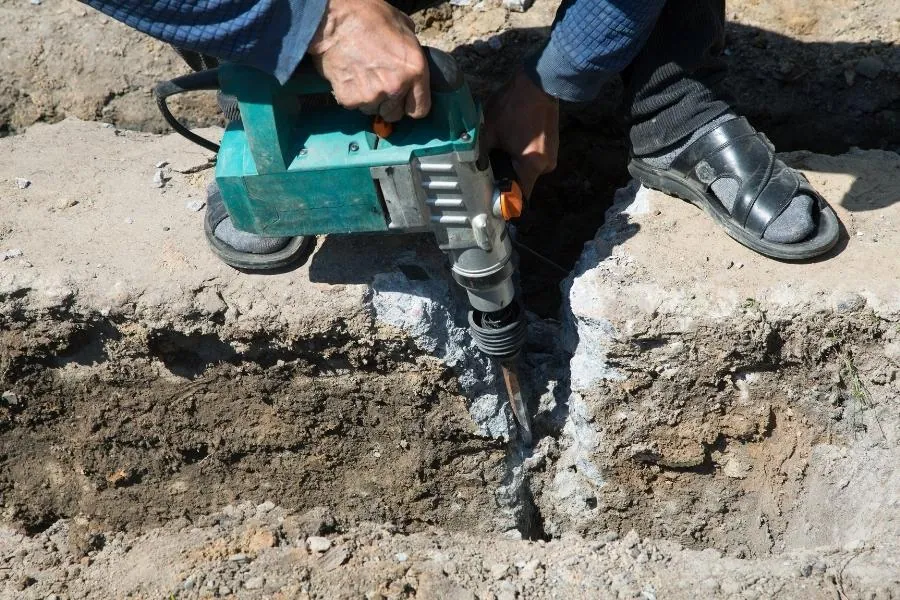
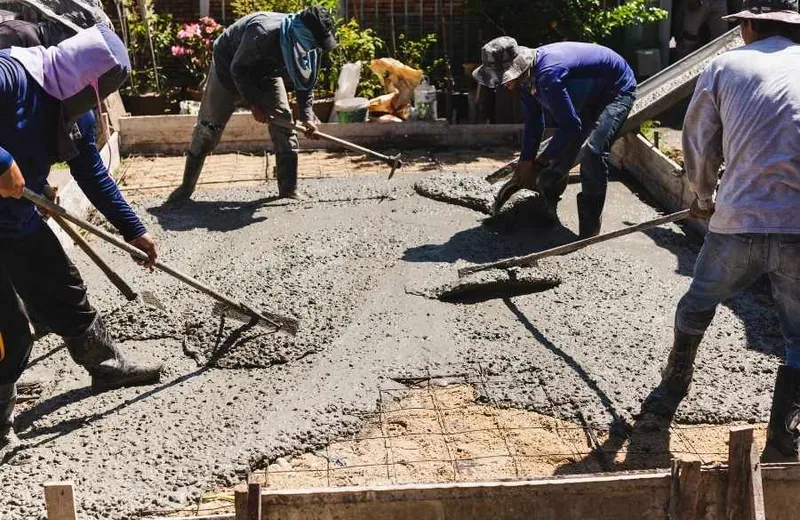
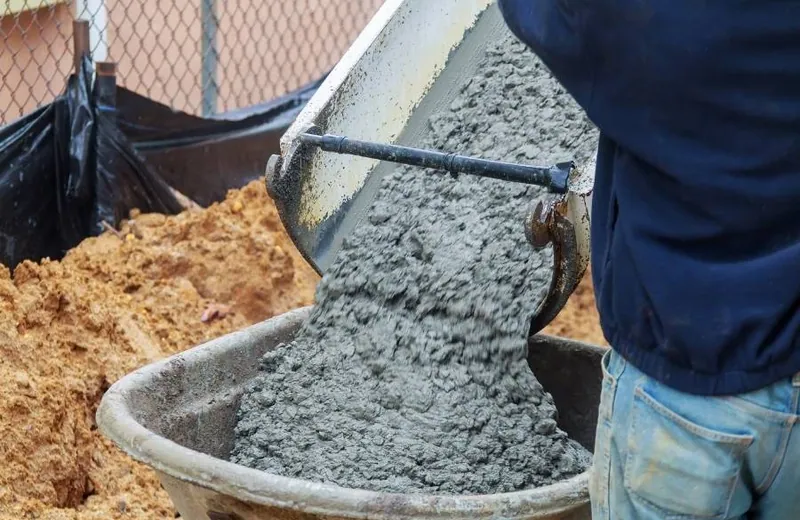
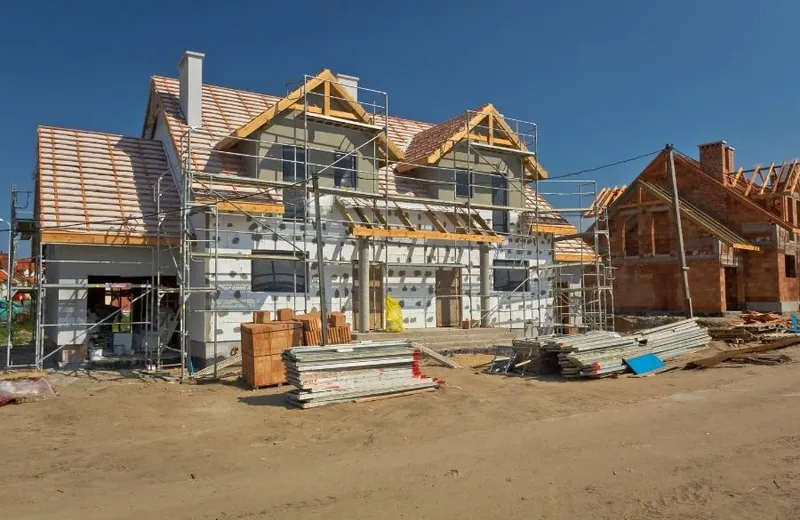
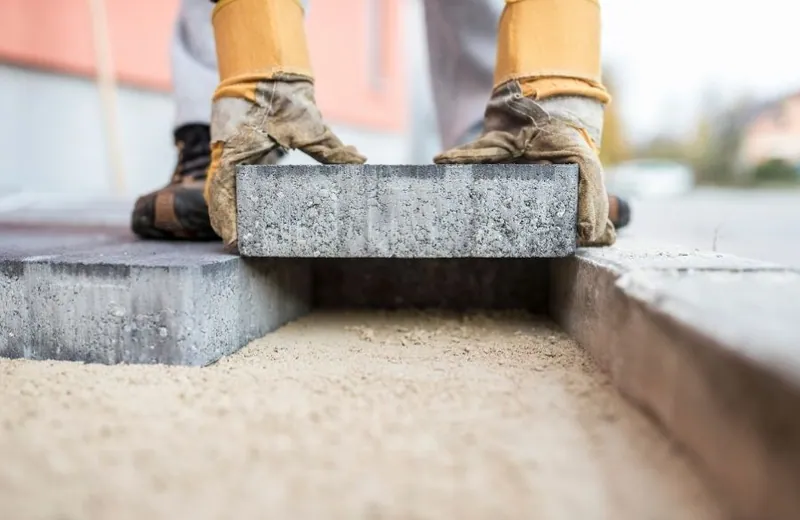
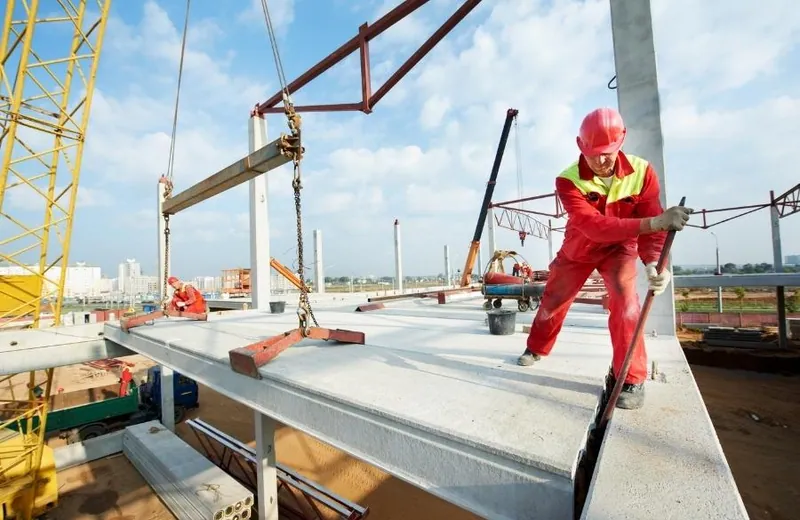
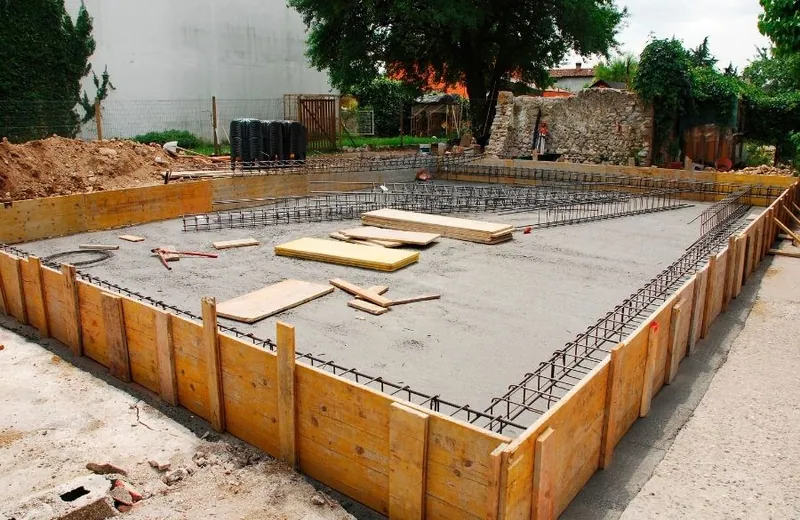
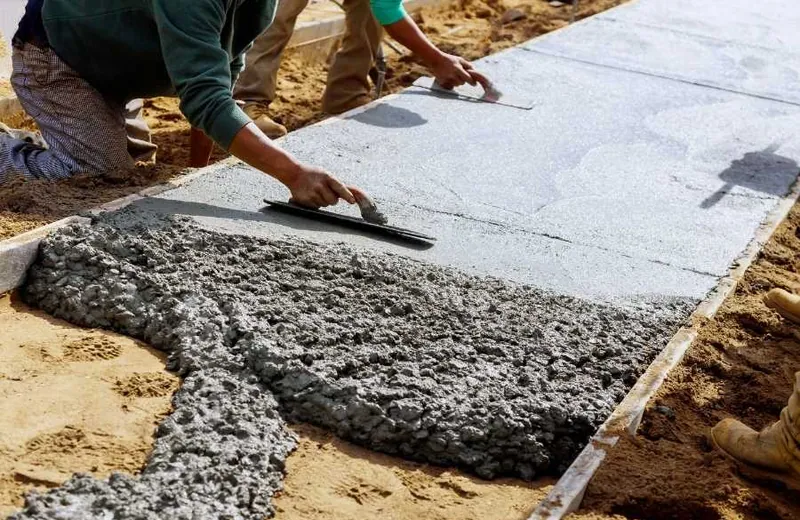
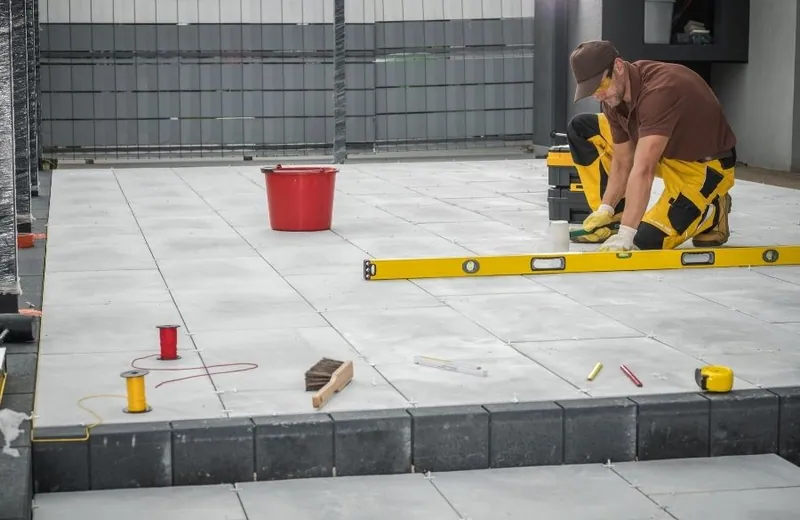
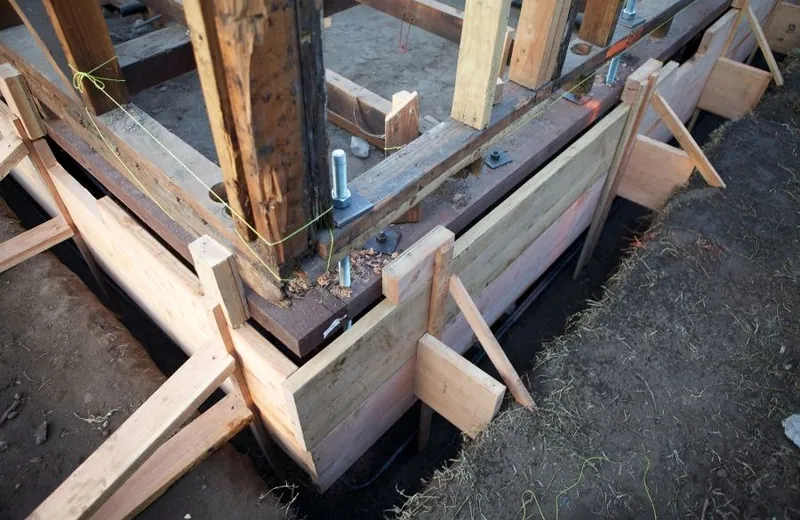
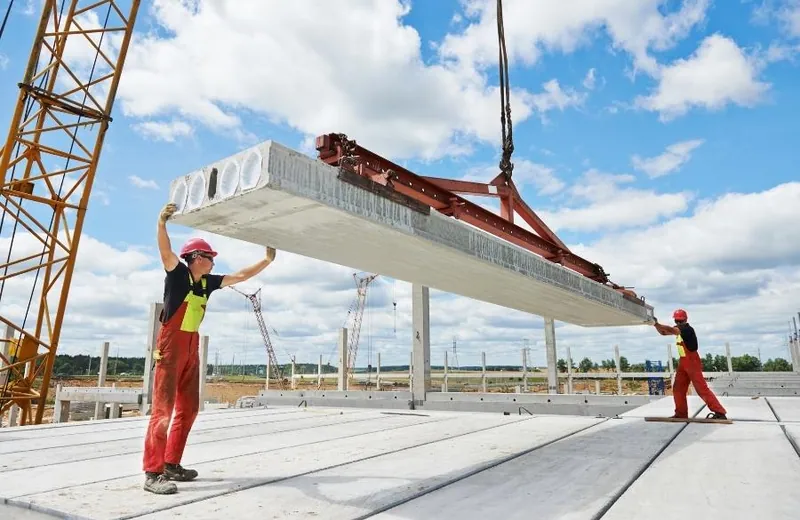
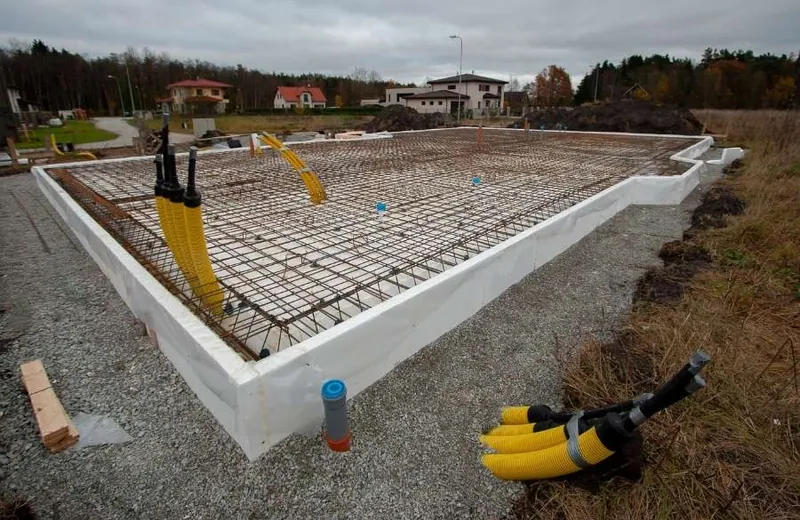
Recent foundation-repair Projects in DeSoto, TX

Foundation Repair FAQs for DeSoto Homeowners
How much does foundation repair usually cost in DeSoto?
Most residential slab repairs in DeSoto fall between about $3,000 and $16,000. Smaller corner repairs with 6–8 pressed piles sit at the low end. Full-perimeter or interior work on a larger post-tensioned slab sits at the high end. Pier-and-beam releveling commonly runs $3,500–$9,500 depending on wood replacement. Drainage-only fixes can cost less. The biggest variables are pier count, pier type, interior access and whether a plumbing leak or tree is involved. You'll get an itemized written plan after your evaluation, so there's no guessing about what's included.
How do I know if a crack is normal or a real foundation problem?
Hairline cracks in drywall or concrete that don't grow are often just shrinkage, and they're normal on Blackland Prairie clay. Watch for warning signs. These include stair-step cracks in brick, gaps where brick meets window frames, doors that won't latch, diagonal cracks from door corners, cracked tile, and any crack that gets wider each summer. Elevation readings answer the question objectively. They show whether the floor is out of level and by how much, which is why every evaluation we do includes them.
How long does foundation repair take?
Most residential piering jobs in DeSoto take 1–3 days of on-site work. Pier-and-beam repairs with beam replacement can take a bit longer. The total timeline from evaluation to completion is usually a few weeks, because permitting, engineer letters when required, and the Texas811 utility locate all happen before excavation. If plumbing testing or leak repair is needed, add time for that. Selling on a deadline? Tell us up front, and we'll prioritize scheduling and paperwork.
Do I need a permit for foundation repair in DeSoto?
Yes. DeSoto requires a building permit for structural foundation repair. Cedar Hill, Duncanville, Lancaster, Dallas, Grand Prairie, Arlington, Irving and Mansfield generally require one too, often with a repair plan and sometimes a letter from a TBPELS-licensed structural engineer. We handle the permit filing and coordinate engineering when your city requires it. HOAs in Glenn Heights, Cedar Hill and Mansfield, along with Highland Park's town rules, may add requirements for work hours, staging and yard restoration.
Should I water my foundation, and how do I do it with water restrictions?
Steady soil moisture around the slab helps reduce clay shrinkage during DeSoto's 100°F summers. The goal is consistency, not flooding. Soaker hoses placed about 12–18 inches from the foundation and run on your allowed watering days usually work better than heavy, occasional soaking. Don't let water pool against the beam, and keep gutters and downspouts directing roof water away. We give every customer a watering plan tailored to their lot, trees and drainage that works within local water-use restrictions.
When should I call for an evaluation instead of waiting?
Call soon if cracks are widening, doors suddenly stop latching, floors feel noticeably sloped, you see separation at the garage or chimney, or your water bill jumps for no reason. A jump in the bill could point to a leak under the slab. Also call before listing a home or after receiving an inspection report that mentions foundation movement. Waiting through another drought-and-storm cycle on expansive clay often adds piers, and it can spread damage to plumbing and interior finishes.
Will leveling crack my drywall or affect my plumbing?
It can, and you should know that up front. Lifting a slab or crawlspace floor back toward level moves the framing. Some existing drywall cracks may reopen or new ones may appear, especially around door frames. Doors often work better afterward, but some may need adjustment. Lifting can also stress old drain lines, so we recommend a plumbing test by a licensed plumber after leveling. We document everything before and after so you know what was caused by the movement and what was caused by the correction.
How is pier-and-beam repair different from slab repair?
Slab repair usually means installing piers under the concrete beam and lifting it. Pier-and-beam repair happens in the crawlspace. It involves replacing rotted or shifted shims, sistering or replacing sagging joists and beams, adding interior piers, repairing stem walls and fixing ventilation and moisture. Older homes in Oak Cliff, Lancaster, Duncanville and Highland Park often need wood and moisture work in addition to leveling. Pier-and-beam repairs are typically less disruptive inside the home, since there's no slab to break.
Serving DeSoto, TX & Nearby
Find Out What's Really Moving Your Foundation
Don't wait for another 100°F summer or wet May to make it worse. Get clear answers, elevation data and a written plan from a bonded, insured local team.
- ✓Floor elevation readings throughout your home
- ✓Photo documentation of every crack, gap and drainage issue
- ✓A written report explaining the cause of the movement
- ✓Repair options with upfront, itemized pricing
- ✓Permit coordination with your city
- ✓A watering and drainage plan built for your lot
- ✓Documentation you can share with future buyers
⚡ Seeing sudden widening cracks, doors that stopped closing overnight or signs of a leak under the slab? Call right away and we'll prioritize your evaluation.
Bonded • Insured